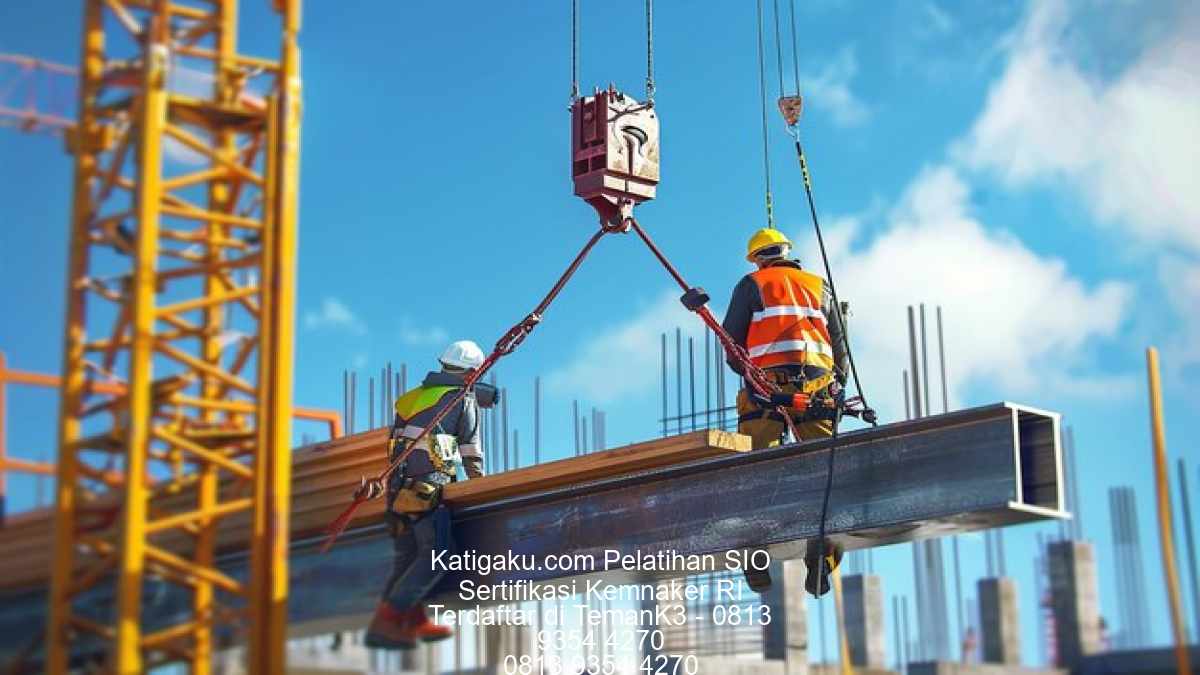
Tower crane operator bekerja 30-80+ meter - jika terjadi injury atau medical emergency di cabin, rescue sangat challenging dan time-critical.
Emergency Scenarios Requiring Rescue:
- Medical emergency: Heart attack, stroke, severe injury
- Fall arrest event: Operator fall tapi caught oleh harness - suspension trauma
- Equipment failure: Stuck di cabin, cannot descend
- Fire: Escape route blocked
- Unconscious: Heat stroke, toxic exposure
Suspension Trauma (Critical Concern):
Jika operator fall dan tergantung di harness:
- Blood pools di legs - gravity + harness constriction
- Reduced blood return ke heart dan brain
- Unconsciousness dalam 10-20 min
- Cardiac arrest possible jika suspended >30 min
- Rescue shock: Sudden horizontal positioning after rescue can cause cardiac arrest
PRE-PLANNING (Before Emergency Occur):
1. Site Emergency Response Plan
- Every site dengan tower crane MUST have rescue plan
- Plan include:
- Rescue team designation
- Equipment inventory dan location
- Step-by-step procedure
- Communication protocol
- Ambulance access route
2. Rescue Equipment Staged
- At base of crane:
- Rescue harness dan ascender
- Rescue stretcher (vertical lift type)
- Rope, carabiner, pulley system
- First aid kit, AED, oxygen
- Two-way radio
- In cabin (jika possible):
- Rescue descender device
- Emergency supply kit
3. Trained Rescue Team
- Minimum 3 personnel trained di height rescue
- Annual training dan drill
- Certified dalam rope rescue technique
4. Communication System
- Direct radio contact operator-ground
- Backup communication (phone, visual signal)
EMERGENCY RESPONSE PROCEDURE:
Phase 1: ALERT (0-2 min)
- Distress call: Operator radio for help (jika able)
- OR: No response: Ground crew notice operator tidak respond ke radio call
- Activate emergency:
- Alert site emergency coordinator
- Call ambulance - "Medical emergency at height, tower crane"
- Mobilize rescue team
- DO NOT send untrained person up
Phase 2: ASSESSMENT (2-5 min)
- Establish communication jika possible:
- Radio call - assess operator condition
- Visual from ground dengan binocular - operator moving?
- Determine scenario:
- Conscious atau unconscious?
- Inside cabin atau suspended outside?
- Equipment operational atau failed?
- Decision tree:
- Operator conscious, mobile: Talk down dengan instruction
- Operator conscious, immobile: Assisted descent
- Operator unconscious: Full rescue required
Phase 3: RESCUE EXECUTION
Scenario A: Self-Rescue (Operator Conscious, Mobile)
- Radio instruction untuk operator:
- Stay calm, assess own injury
- If minor - can descend dengan guidance
- Ensure harness attached, use fall protection selama descent
- Medical personnel meet at bottom
Scenario B: Assisted Rescue (Operator Conscious, Needs Help)
- Rescue climber ascend:
- Experienced climber dengan rescue training
- Full PPE, harness, rescue equipment
- Continuous radio contact dengan ground
- Reach operator:
- Assess condition, provide first aid jika possible
- Attach rescue harness jika needed
- Descent method:
- Operator ambulatory: Assist descent dengan supervision
- Operator cannot walk: Use rescue stretcher
Scenario C: Full Rescue (Operator Unconscious)
- Two rescuer ascend (minimum):
- Primary rescuer + backup
- Stretcher, medical kit, rope system
- Reach operator, immediate care:
- Check airway, breathing, circulation
- CPR jika needed (challenging di height!)
- Attach rescue harness
- Secure operator ke stretcher
- Lower operation:
- Rigging setup untuk controlled descent
- Ground crew operate lowering system
- Rescuer accompany operator during descent
- Slow, controlled - prevent swing/impact
- Ground medical:
- Paramedic ready at landing point
- Stretcher transfer ke ambulance
- Medical protocol: Keep semi-reclined 20-30 min before full horizontal (prevent rescue shock)
Special Technique - Suspension Trauma Relief:
Jika operator suspended di harness awaiting rescue:
- Self-rescue loop:
- Carry webbing loop di harness
- Stand on loop - take weight off leg straps
- Restore circulation, delay trauma onset
- Rescuer action:
- Attach support untuk operator leg ASAP
- Allow standing position
Post-Rescue:
- Medical evaluation - hospital transport mandatory even if seem okay
- Incident investigation
- Crane inspection before return to service
- Psychological support untuk operator dan rescue team
Training Requirements:
- All tower crane site must have rescue capability
- Rescue drill annually minimum
- Operator should practice self-rescue technique
Height rescue is specialized skill - rely on trained professional, not improvisation!

Catatan Regulasi K3 Kemnaker RI
Pastikan sertifikasi SIO & SIA perusahaan Anda terdaftar resmi di portal Teman K3 Kemnaker. Penggunaan dokumen SIO tidak sah atau kadaluarsa berisiko menghentikan operasional alat berat dan membatalkan jaminan asuransi kecelakaan kerja.
Ingin Proses SIO / SIA Cepat Tanpa Kendala?
Tim kami siap mendampingi penerbitan SIO, perpanjangan lisensi, dan pengujian kelayakan alat (SIA) di seluruh kota Indonesia.