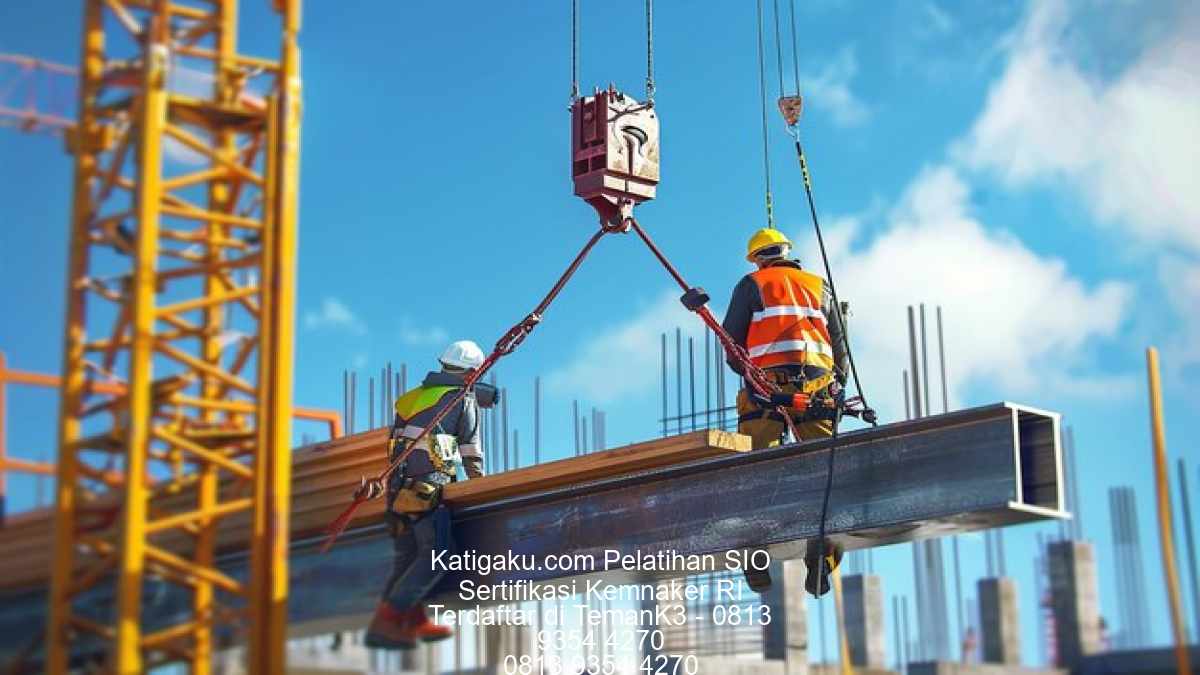
Hierarchy of Controls adalah framework systematic untuk reduce atau eliminate hazard - ada urutan prioritas dari most effective ke least effective.
5 Levels of Control (Top to Bottom, Most to Least Effective):
Level 1: ELIMINATION (Most Effective - 100%)
Definition: Completely remove hazard
Examples untuk Heavy Equipment:
- Eliminate confined space entry: Install external access port untuk inspection instead masuk tank
- Eliminate manual handling: Use mechanical lift instead manual carrying
- Eliminate reversing: Design one-way traffic flow, drive-through loading
- Eliminate height work: Pre-assemble structure di ground level
Effectiveness: 100% - no hazard, no risk
Limitation: Often not feasible - work still need to be done
Level 2: SUBSTITUTION
Definition: Replace hazardous dengan less hazardous
Examples:
- Replace diesel equipment dengan electric di indoor/confined area - eliminate exhaust fume
- Use water-based hydraulic fluid instead petroleum-based - less fire risk
- Substitute toxic cleaning chemical dengan biodegradable
- Use smaller equipment jika adequate - lower energy, easier control
Effectiveness: 70-90% - hazard still exist tapi reduced severity
Level 3: ENGINEERING CONTROLS
Definition: Isolate people from hazard melalui physical means
Examples untuk Heavy Equipment:
- ROPS (Rollover Protective Structure): Cabin protect operator jika tip-over
- FOPS (Falling Object Protective Structure): Guard against falling material
- Proximity detection system: Sensor warn atau stop equipment jika worker too close
- Reversing camera & alarm: Increase visibility, warn pedestrian
- Cabin air filtration: Protect dari dust
- Vibration dampening seat: Reduce whole-body vibration exposure
- Guarding: Cover pinch point, rotating parts
- Ventilation: Extract exhaust fume dari confined space
Effectiveness: 50-70% - hazard present tapi contact prevented/reduced
Level 4: ADMINISTRATIVE CONTROLS
Definition: Change way people work melalui procedure, training, rotation
Examples:
- Safe Work Procedure: Step-by-step method untuk safely perform task
- Training: SIO certification, refresher course
- Permit to Work: Authorization system untuk high-risk work
- Job rotation: Limit exposure duration (ergonomic, noise, vibration)
- Scheduled maintenance: Prevent equipment failure
- Exclusion zone: Keep people away dari hazard area
- Shift limit: Fatigue management - max 12 hours
- Buddy system: Two-person rule untuk certain task
- Signage & marking: Warning sign, barricade tape
Effectiveness: 20-50% - depend on human compliance (can be bypassed)
Level 5: PPE (Least Effective - Last Resort)
Definition: Personal protective equipment worn by worker
Examples:
- Safety helmet, safety shoes, high-vis vest
- Hearing protection (earplug, earmuff)
- Respirator atau dust mask
- Safety glasses
- Gloves
- Fall arrest harness
Effectiveness: 10-30% - protect individual only, failure-prone
Mengapa PPE Paling Tidak Efektif:
- Depend on user compliance - bisa lupa pakai
- Can fail - tear, damage
- Improper use - tidak fitted correctly
- Discomfort - tendency untuk remove
- Tidak reduce hazard - hanya barrier antara hazard dan person
APPLICATION PRINCIPLE:
"Work Down the Hierarchy"
- Always start dengan top - can we eliminate?
- If tidak - can we substitute?
- If tidak - what engineering control possible?
- Add administrative control untuk reinforce
- PPE as last layer - NEVER rely on PPE alone
Example Application - Excavator Struck-By Hazard:
Hazard: Worker struck by swinging excavator boom
Control Options (Evaluated Top-Down):
- Elimination: Can we eliminate excavator operation? NO - needed untuk digging
- Substitution: Use smaller equipment? NO - capacity needed
- Engineering:
- YES - Install proximity detection system (sensor stop boom if person detected)
- YES - Install 360° camera untuk better visibility
- Administrative:
- YES - Establish 5-meter exclusion zone dengan barricade
- YES - Assign spotter untuk guide operator
- YES - Require operator SIO certification
- PPE:
- YES - High-visibility vest untuk all workers
Result: Layered defense - multiple controls working together
Key Takeaway:
- More effective controls are capital-intensive tapi long-term better
- Less effective controls are cheaper initially tapi require ongoing compliance
- Combination approach (Swiss cheese model) - multiple layers cover each other's weakness
Operator should advocate untuk higher-level controls - speak up jika relying too much on PPE!

Catatan Regulasi K3 Kemnaker RI
Pastikan sertifikasi SIO & SIA perusahaan Anda terdaftar resmi di portal Teman K3 Kemnaker. Penggunaan dokumen SIO tidak sah atau kadaluarsa berisiko menghentikan operasional alat berat dan membatalkan jaminan asuransi kecelakaan kerja.
Ingin Proses SIO / SIA Cepat Tanpa Kendala?
Tim kami siap mendampingi penerbitan SIO, perpanjangan lisensi, dan pengujian kelayakan alat (SIA) di seluruh kota Indonesia.